


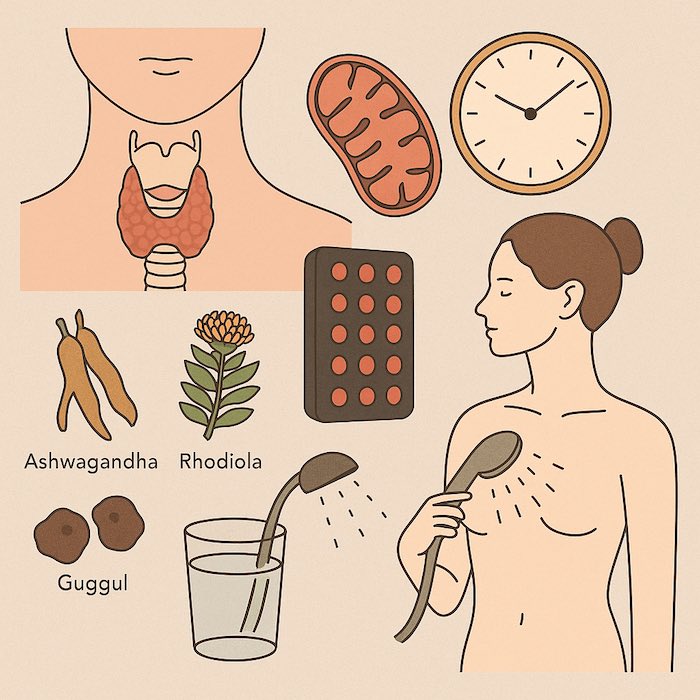
The Thyroid & Biohacking
Do you often feel tired, cold, or unfocused – even though you’re “doing everything right”? The thyroid might be the key to unlocking your energy and vitality.
Do you often feel tired, cold, or unfocused – even though you’re “doing everything right”? The thyroid might be the key to unlocking your energy and vitality.
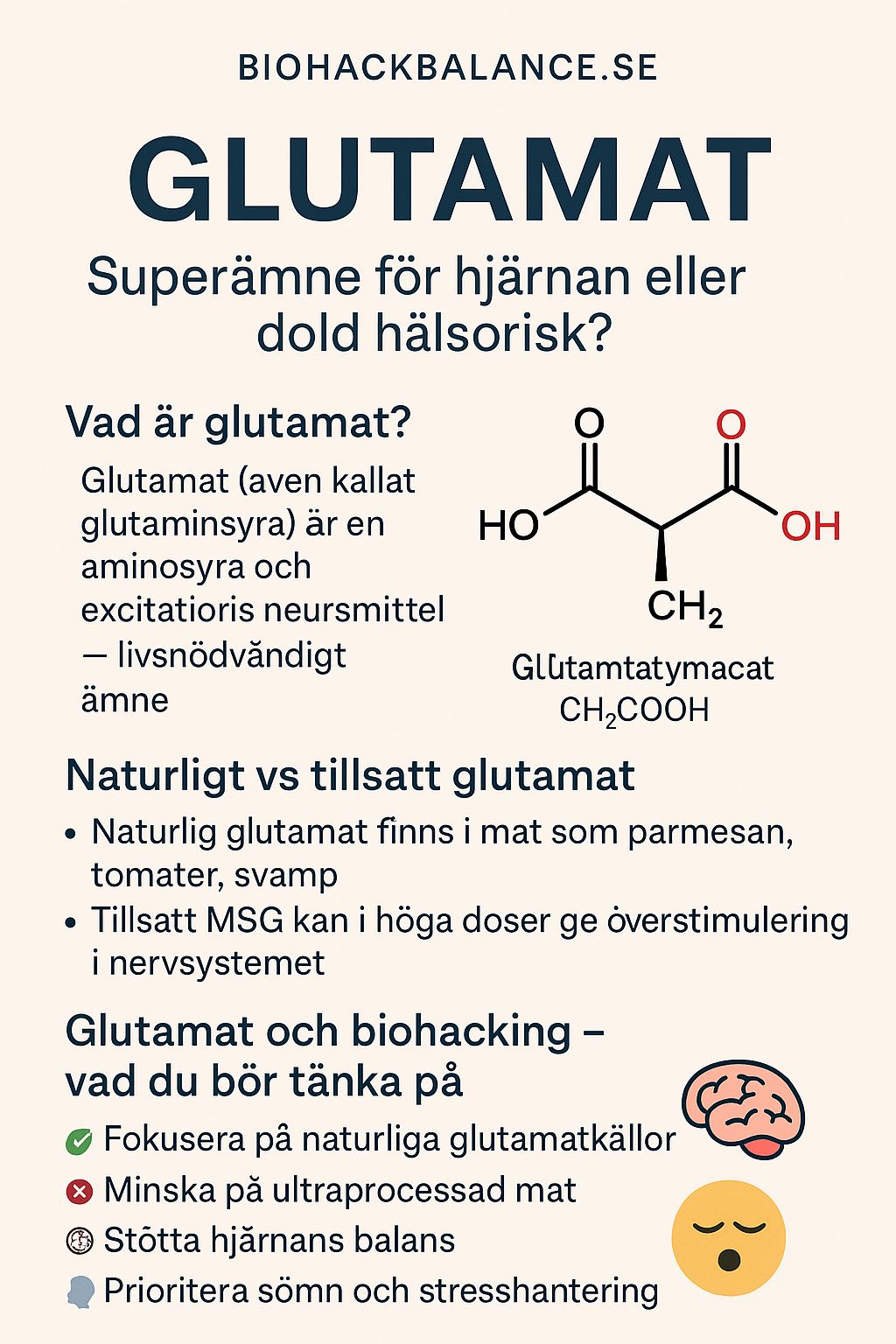
Glutamate is a substance that sparks strong reactions—some praise it as a vital neurotransmitter, while others warn about its role in food as a silent saboteur of health. But what’s actually true? And how can you, as a biohacker, navigate this complex topic?
Glutamate (also known as glutamic acid) is an amino acid that occurs naturally in the body. It plays a key role in the brain as an excitatory neurotransmitter, meaning it helps nerve cells communicate. Without glutamate, there would be no brain activity—so it’s an essential substance for life.
But glutamic acid is also known from a very different context—as the controversial flavor enhancer monosodium glutamate (MSG), often associated with fast food and processed products.
The difference between the body’s own glutamic acid and added MSG in food isn’t black and white—but there are reasons to stay alert:
Natural glutamic is found in foods like parmesan cheese, tomatoes, and mushrooms—and the body handles it well.
Added MSG, in high doses, can overstimulate the nervous system in sensitive individuals—some report headaches, fatigue, or heart palpitations, often referred to as “Chinese Restaurant Syndrome.”
Although research is mixed, some studies suggest that excessive dietary intake of glutamic may contribute to inflammation, oxidative stress, and disruptions in neurotransmission—especially if the body is already out of balance.
If you’re biohacking for optimal cognition, focus, and long-term brain health, it’s smart to:
Focus on natural sources of glutamate – such as bone broth, eggs, fermented foods, and vegetables.
Reduce ultra-processed foods – especially chips, instant noodles, ready meals, and snacks where MSG often hides under names like yeast extract, hydrolyzed protein, or E621.
Support brain balance with nutrients like magnesium, vitamin B6, and taurine – these can help modulate glutamic levels and protect against overstimulation.
Prioritize sleep and stress management – since both sleep deprivation and stress can disrupt the balance between glutamic acid and GABA (the brain’s calming neurotransmitter).
Glutamic acid is not your enemy—but modern lifestyles can turn it into something worth monitoring. With the right knowledge, you can use glutamate to your advantage—as part of a smart biohacking system for better focus, energy, and brain health.

Let’s dive into how you can biohack your thyroid and give your body the tools it needs to feel better, naturally.

Have You Heard of Hyrox? It’s the new global fitness revolution that’s taking both elite athletes and everyday fitness enthusiasts by storm. Imagine a mix of functional fitness, running, and competition

The Nervous System and Its Role in ME/CFS. Many people living with ME/CFS (Myalgic Encephalomyelitis/Chronic Fatigue Syndrome) describe it as if their body is stuck in a constant fight-or-flight mode.

Blood sugar is basically your body’s way of saying how much fuel is available right now. Too high? You’ll feel tired, sluggish, and inflamed. Too low? You crash—physically and mentally.
Chronic fatigue, brain fog, and low energy. For those living with ME/CFS, it can feel like your body is constantly running on backup power.