



Why Late Summer Is the Right Time to Start Topping Up Your Vitamin D3 for Autumn
Why Late Summer Is the Right Time to Start Topping Up Your Vitamin D3 for Autumn. Summer is slowly coming to an end.
Why Late Summer Is the Right Time to Start Topping Up Your Vitamin D3 for Autumn. Summer is slowly coming to an end.

Magnesium for Women – PMS, Menstruation, Sleep, Stress and Recovery. Magnesium is one of the body’s most important minerals
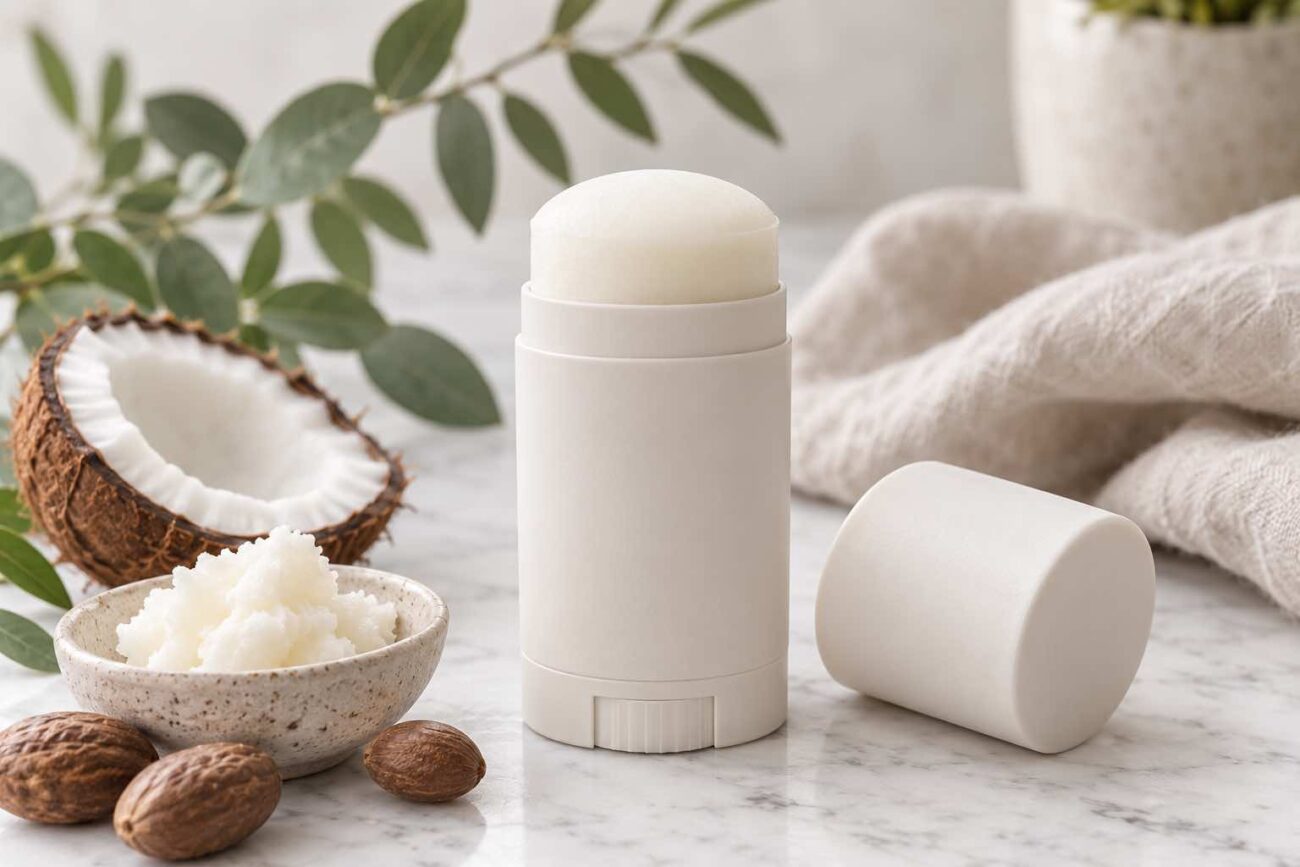
More and more people are choosing to switch to a non-toxic deodorant to avoid unnecessary chemicals while taking better care of both their skin and the environment

Keto flu is a common term for the temporary symptoms that some people experience when their body transitions from using glucose as its primary fuel source to using fat
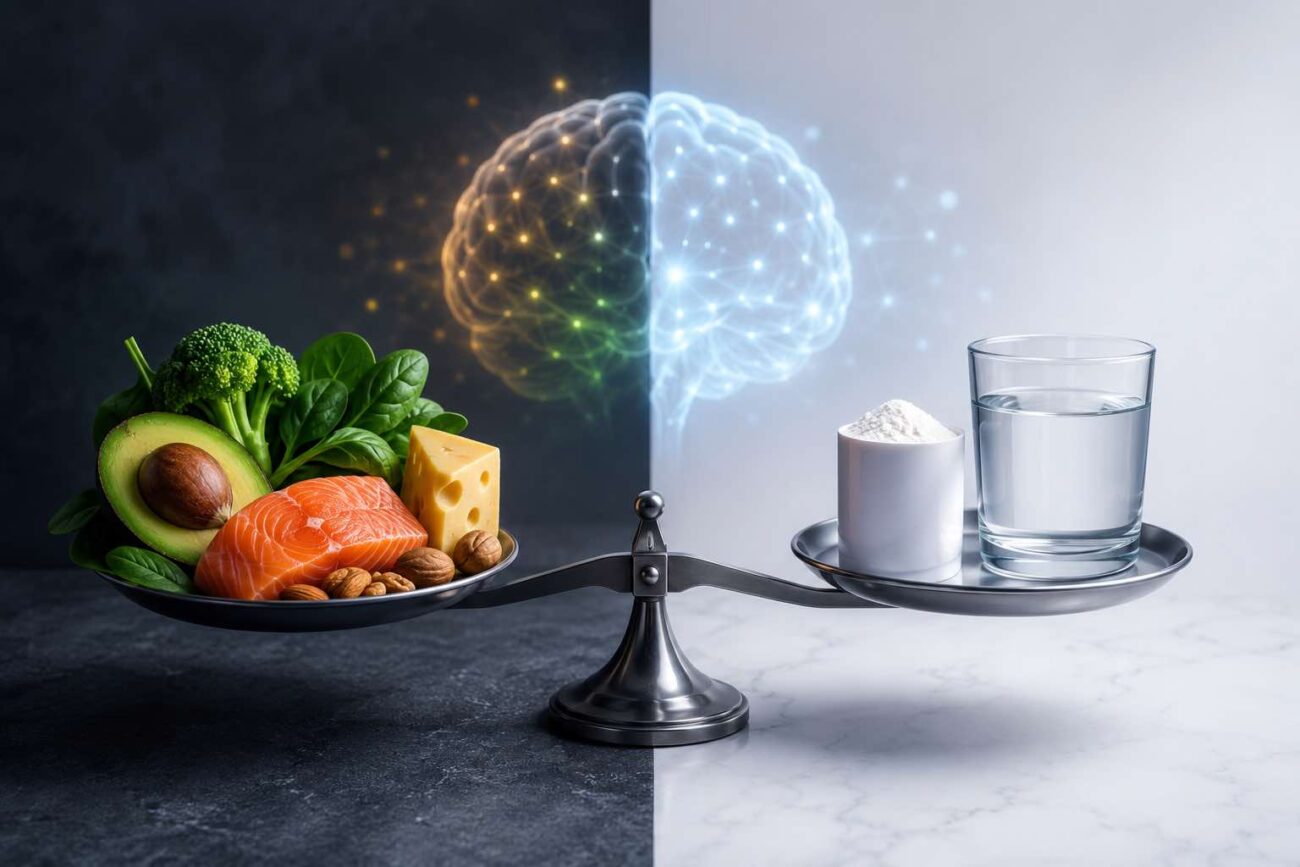
Ketones are energy molecules produced by the liver when glucose availability is low. They serve as an alternative fuel source for the brain
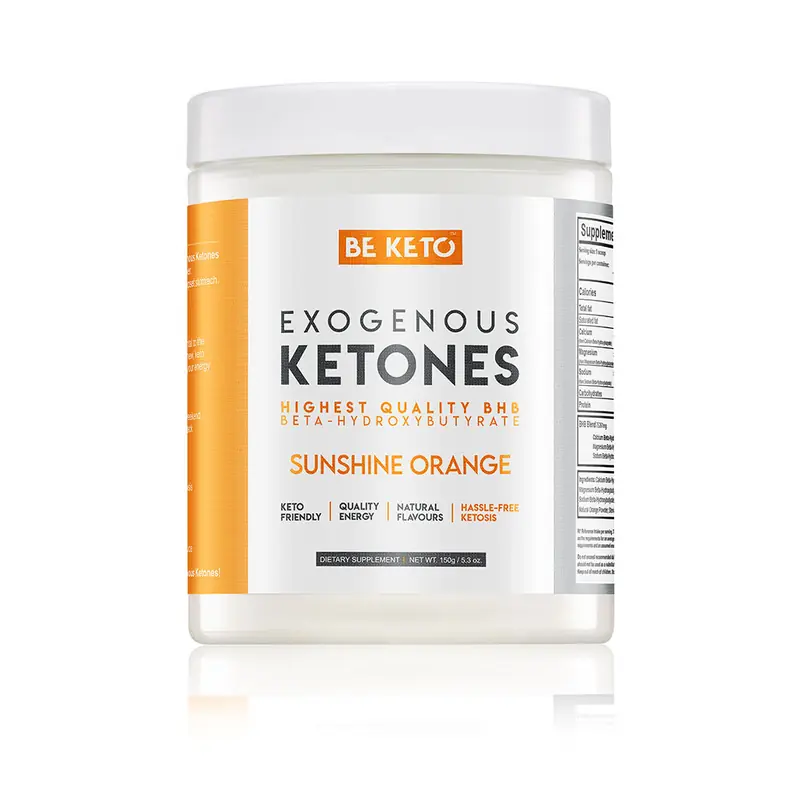
Fasting has become one of the most popular tools in biohacking, longevity, and metabolic health. At the same time, interest in exogenous ketones has grown significantly. But what actually happens when you combine exogenous ketones with fasting?
Can ketones make fasting easier?
Can they help you experience more of the benefits of ketosis without having to fast as long?
Let’s dive into the science and the practical reality.
When you fast, insulin levels decrease while the body begins using stored fat as fuel.
After a period without food, the liver starts producing ketones from fat. These ketones serve as an alternative fuel source for the brain, muscles, and many other tissues.
The most common ketones are:
BHB is the primary ketone used in most exogenous ketone products.
During extended fasting, ketone levels can rise significantly, often resulting in:
Exogenous ketones are ketones supplied from an external source rather than being produced by the body.
They typically consist of BHB bound to minerals such as:
When you consume exogenous ketones, blood ketone levels can increase within 30–60 minutes without requiring fasting or a strict ketogenic diet.
This is why many people use them as a tool to enter ketosis more quickly or enhance the effects of fasting.
For many people, the biggest challenges of fasting are hunger, energy dips, and difficulty concentrating.
Exogenous ketones may help by providing the brain with an alternative fuel source during the transition from glucose-burning to fat-burning metabolism.
Many users report:
This can make both intermittent fasting and longer fasting periods significantly easier to maintain.
A common question in the biohacking community is whether exogenous ketones break a fast.
The answer depends on your goal.
Exogenous ketones contain calories but typically have very little impact on insulin levels. For many people, they do not interfere with the metabolic benefits of fasting.
Ketone levels rise rapidly, and you can often reach measurable ketosis shortly after consumption.
The science is less clear here.
Autophagy is the body’s natural recycling process, where old and damaged cellular components are broken down and reused.
Because exogenous ketones provide energy, some researchers argue that autophagy may be somewhat reduced compared to a strict water-only fast.
At the same time, ketones themselves appear to activate several signaling pathways associated with metabolic health and cellular stress resistance.
More research is needed before a definitive conclusion can be drawn.
The most common use case is alongside a 16:8 fasting schedule or other forms of intermittent fasting.
Many people choose to take exogenous ketones:
This can provide a sense of mental clarity while allowing the fast to continue.
During fasts lasting 24 hours or longer, the body’s need for electrolytes increases.
Since many ketone products contain minerals, they may help reduce some of the symptoms that can occur during fasting:
Many biohackers therefore combine:
to optimize longer fasting periods.
Another popular strategy is using exogenous ketones before training while fasting.
Ketones can act as an additional fuel source while the body continues utilizing fat for energy.
Many people experience:
However, results can vary depending on the individual and the type of training performed.
Combining exogenous ketones with fasting may be particularly interesting if you want to:
Fasting and exogenous ketones are two powerful tools that can complement each other very well.
While fasting helps the body produce its own ketones, exogenous ketones can provide a faster source of ketones and make the transition into ketosis much smoother.
For many people, this means better focus, more stable energy, and less hunger during fasting.
Although research on autophagy and exogenous ketones is still evolving, the combination appears highly promising for those looking to optimize metabolic health, mental performance, and their overall biohacking journey toward better health.
Yes. Many people use exogenous ketones during fasting to reduce hunger and improve focus.
It depends on the purpose of the fast. They provide energy but typically have minimal impact on insulin levels.
Yes. They can raise blood ketone levels much faster than the body would normally achieve on its own.
Yes. Many people use them before training to support energy levels and endurance.
No. They serve different purposes, and many people find that combining both approaches delivers the best results.
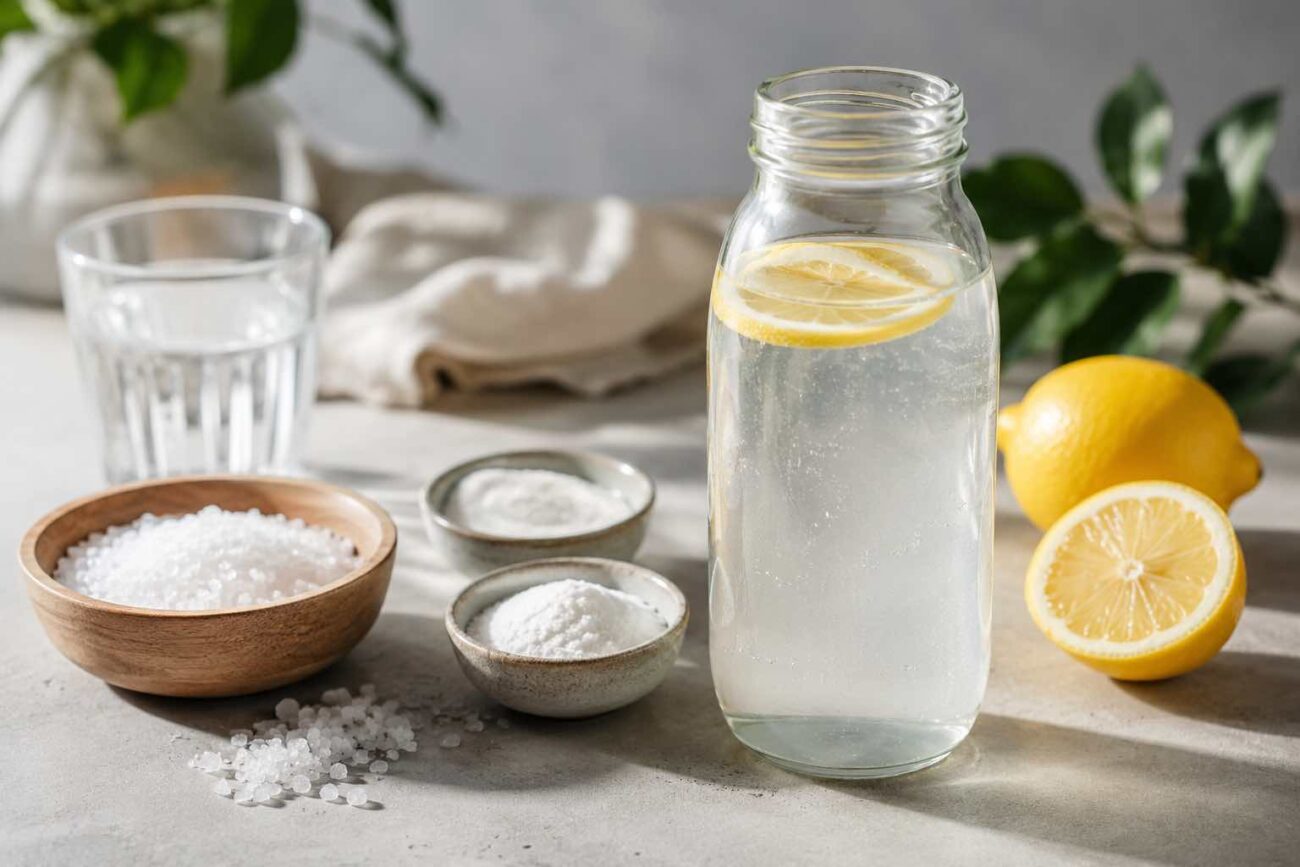
How to Make Your Own Electrolytes at Home – Cheaper Than Ready-Made Electrolyte Powders. Many people who exercise, fast, follow a ketogenic diet, or simply want to optimize their health use electrolytes daily.
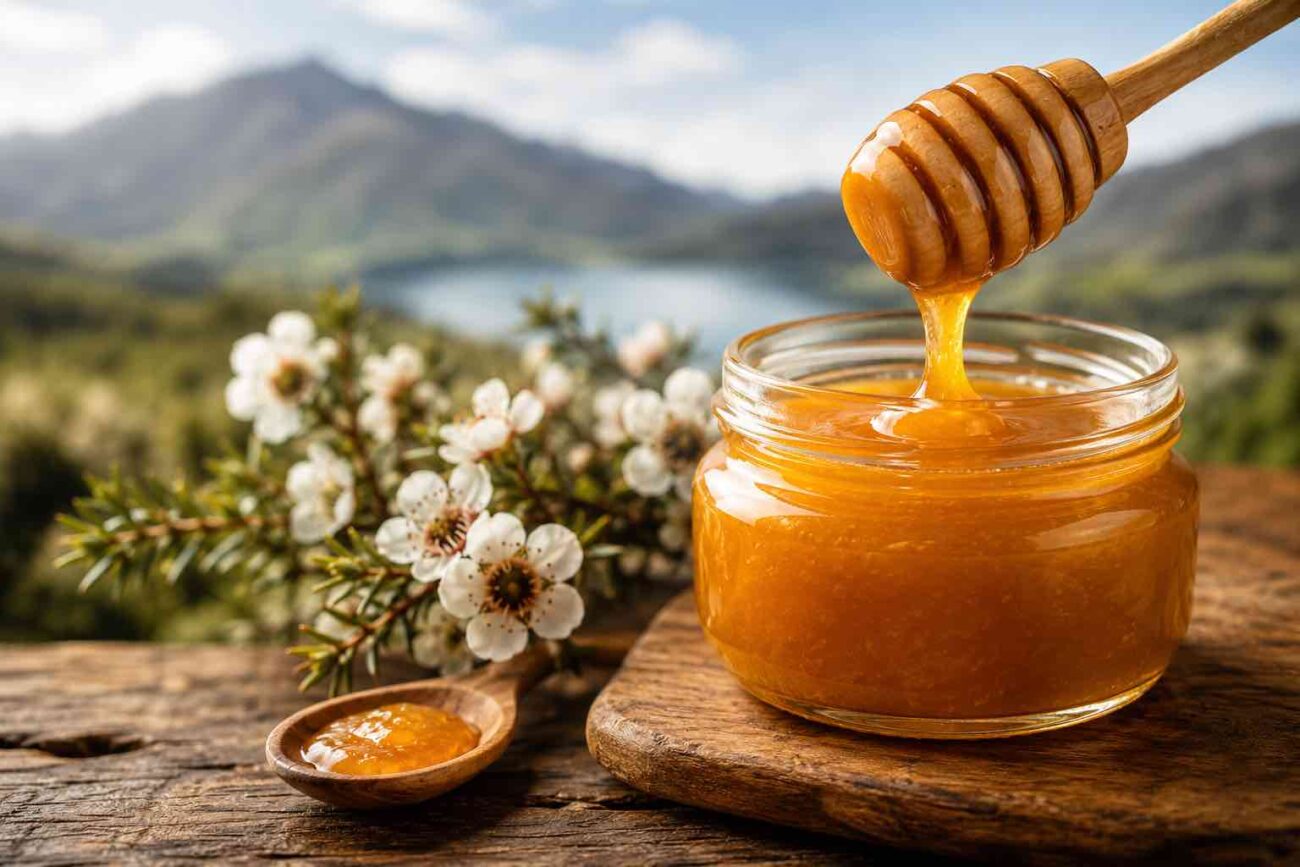
In recent years, MGO honey has become one of the most sought-after types of honey among health-conscious individuals, biohackers, and longevity enthusiasts.

How to Take Shilajit (Guide + Simple Recipes for Resin & Drops). Shilajit is one of the most powerful natural supplements in biohacking and longevity
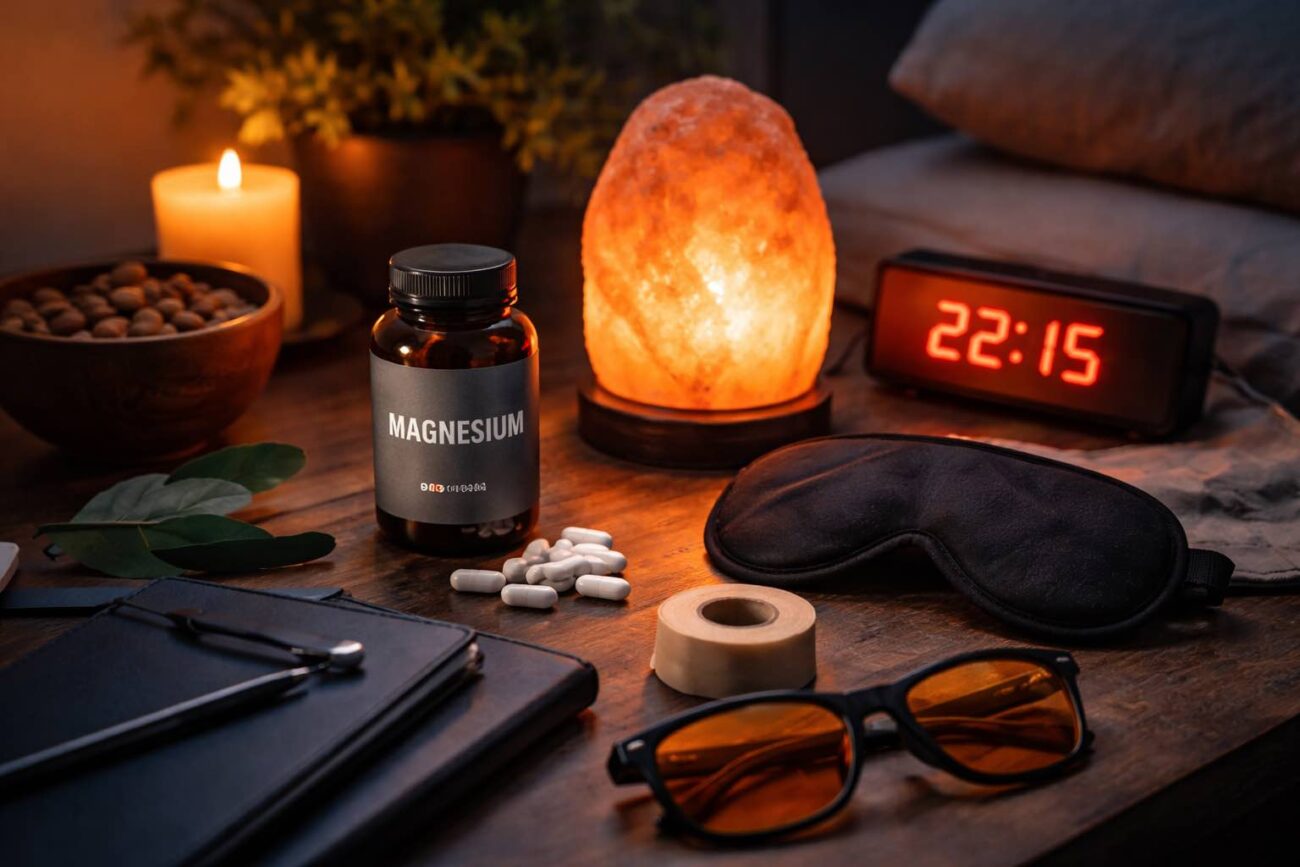
Light sleep means you’re not reaching the deeper sleep stages where real recovery happens. You can sleep 7–8 hours and still wake up tired, unfocused, and mentally sluggish.